


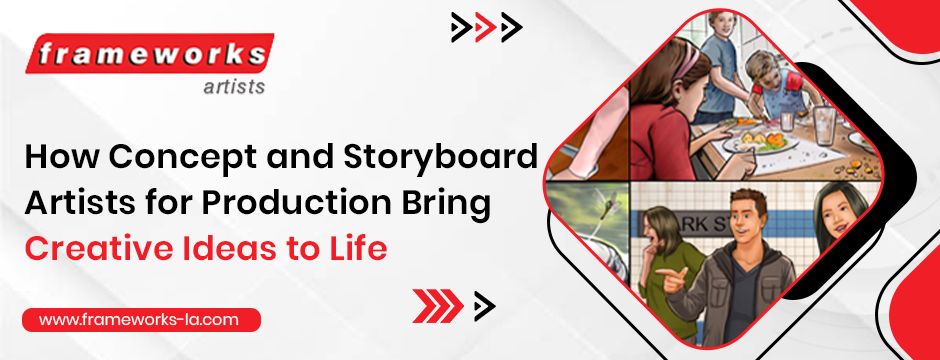
Every successful film, commercial, television show, or digital campaign begins with a vision. Before cameras roll or animation begins, creative ideas must first be transformed into visual plans that guide the entire production process. This is where concept and storyboard artists for production play an essential role. These creative professionals help directors, producers, and marketing teams turn abstract ideas into compelling visual narratives that can be clearly understood by everyone involved in a project.
From entertainment and advertising to gaming and branded content, visual storytelling has become one of the most powerful communication tools in modern media. Audiences are drawn to stories that are emotionally engaging, visually striking, and easy to follow. Storyboard and concept artists make this possible by shaping ideas during the earliest stages of production and ensuring every scene aligns with the intended creative vision.
The Foundation of Visual Storytelling
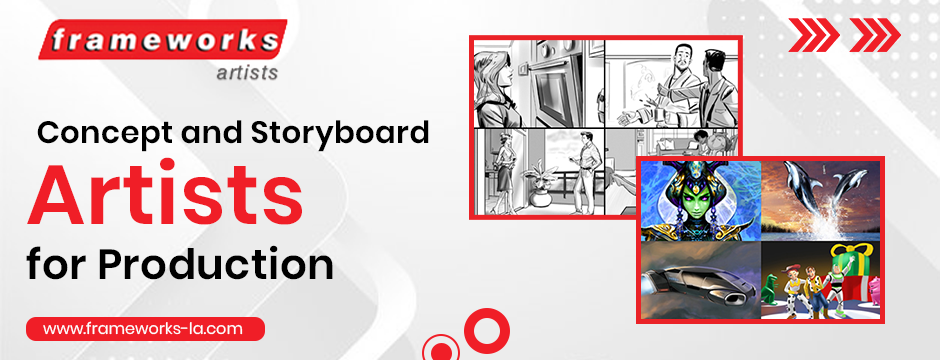
Creative projects often begin with written scripts, rough ideas, or verbal discussions. While these ideas may sound exciting in theory, they can be difficult to interpret without visual direction. Concept artists bridge this gap by creating illustrations, mood sketches, and visual references that define the style, atmosphere, and tone of a project.
Storyboard artists then take those ideas further by organizing scenes into sequential panels. These storyboards work like visual blueprints that map out camera angles, movement, timing, composition, and transitions. This process helps production teams understand how scenes will unfold before filming or animation begins.
Without detailed visual planning, productions can face confusion, delays, and costly revisions. Storyboards reduce uncertainty and help teams stay aligned throughout every stage of production.
Turning Imagination into Practical Execution
Creative ideas are limitless, but production schedules and budgets are not. One of the most valuable contributions artists provide is the ability to turn imaginative concepts into realistic production plans.
By visualizing scenes early, directors and producers can evaluate whether certain shots are achievable within budget and time constraints. Storyboards also help cinematographers prepare lighting setups, assist editors with pacing decisions, and guide production designers in building environments.
In commercial production, clear visuals are especially important because advertising campaigns often rely on tight timelines and fast approvals. Many brands look for the best storyboard artists for commercials because they understand how to communicate marketing messages quickly and effectively while maintaining strong visual appeal.
Strong visual preparation also allows clients and stakeholders to provide feedback before expensive production work begins. This minimizes misunderstandings and ensures smoother collaboration between creative and technical teams.
Supporting Collaboration Across Departments
Large productions involve many moving parts. Directors, writers, designers, animators, camera crews, editors, and marketing professionals all contribute to the final product. Without a shared visual reference, communication can become inconsistent and inefficient.
This is why concept and storyboard artists for production are so valuable in collaborative environments. Their work acts as a common visual language that keeps every department connected to the same creative direction.
For example, costume designers can use concept art to understand character aesthetics, while visual effects teams can prepare digital elements based on storyboard layouts. Editors may also use animatics and storyboard sequences to plan transitions and pacing before filming even starts.
This level of coordination improves workflow efficiency and helps maintain consistency throughout the entire production process.
Enhancing Emotional Impact Through Visual Planning
A powerful scene is not created by accident. Every angle, expression, lighting choice, and camera movement contributes to the emotional experience of the audience. Storyboard and concept artists help shape these emotional moments long before production begins.
A suspenseful scene may use dramatic shadows and tight framing, while an uplifting sequence might rely on open compositions and bright visual tones. Artists carefully consider these details when developing visual plans, ensuring the intended emotion reaches viewers effectively.
The ability to guide audience emotions through visuals is especially important in advertising. Commercials have only a few seconds to capture attention and communicate a message. Storyboards help creative teams maximize emotional engagement by carefully planning every visual element.
This strategic planning is one reason why professional visual development remains a critical part of modern media production.
Adapting to Modern Digital Production
Technology has transformed the entertainment and advertising industries, but the importance of visual planning has only grown stronger. Today’s artists often combine traditional drawing skills with advanced digital tools to create detailed and dynamic storyboards.
Digital platforms allow artists to make quick revisions, collaborate remotely, and create animatics that simulate movement and timing. These tools improve communication between teams and accelerate production timelines.
Many studios and agencies now rely on professional storyboard services in Los Angeles and other creative hubs because experienced artists understand both traditional storytelling techniques and modern production workflows. Their expertise helps companies maintain high creative standards while adapting to fast-changing industry demands.
Digital storyboarding has also expanded opportunities for virtual production, animation, gaming, and streaming content, where visual planning is essential for large-scale projects.
The Role of Creativity in Problem Solving
Storyboard and concept artists are not simply illustrators. They are visual problem-solvers who help productions overcome creative and technical challenges.
Sometimes a script may contain scenes that are difficult to visualize or expensive to produce. Artists can suggest alternative compositions, transitions, or staging techniques that preserve the original idea while making production more efficient.
This problem-solving ability becomes especially important when deadlines are tight or creative expectations are high. Skilled artists know how to balance artistic quality with practical limitations, helping productions stay both visually impressive and operationally realistic.
Because of this, concept and storyboard artists for production often become trusted creative partners throughout the development process rather than simply providing supporting artwork.
Building Stronger Audience Connections
Audiences connect with stories that feel visually engaging and emotionally authentic. Strong visual storytelling creates memorable experiences that leave lasting impressions.
Whether it is a cinematic action sequence, an emotional commercial, or an animated fantasy world, storyboard and concept artists help shape how audiences experience the final product. Their work influences pacing, composition, atmosphere, and visual clarity, all of which contribute to audience engagement.
In a highly competitive entertainment landscape, brands and studios must capture attention quickly. Carefully planned visuals help productions stand out while communicating ideas more effectively.
This creative foundation often determines whether a project feels polished, immersive, and emotionally impactful.
Bringing Your Vision to Life with Industry-Leading Artists
Frameworks Artists, inc. delivers high-quality visual storytelling solutions for entertainment, advertising, and commercial productions. With experienced storyboard artists, concept artists, comp artists, and production illustrators, we help creative teams transform ideas into compelling visual narratives. Our team works on presentation boards, production storyboards, set sketches, and conceptual illustrations tailored to every project’s unique vision. Known for creativity, professionalism, and attention to detail, we proudly provide professional storyboard services in Los Angeles for agencies, filmmakers, and production companies seeking exceptional artistic support. Whether the project is large or small, we focus on delivering visuals that inspire confidence and bring creative concepts to life.
Conclusion
Behind every compelling visual production is a carefully crafted creative process that begins long before filming or animation starts. From shaping early ideas to organizing scenes and guiding production teams, concept and storyboard artists for production play a major role in transforming imagination into reality.
Their ability to combine creativity, technical understanding, and visual communication helps productions remain organized, emotionally engaging, and visually powerful. As the entertainment and advertising industries continue to evolve, the demand for skilled visual storytellers will only continue to grow, making storyboard and concept artistry an essential part of successful modern production.
Frequently Asked Questions
1. What do storyboard artists do in production?
Storyboard artists create visual sequences that map out scenes, camera angles, and action before production begins.
2. Why are concept artists important for creative projects?
Concept artists help define the visual style, mood, and overall creative direction of a project.
3. How do storyboards improve production efficiency?
Storyboards reduce confusion, improve communication, and help teams plan scenes before filming or animation starts.
4. Are storyboard artists needed for commercials?
Yes, storyboard artists help commercial teams visualize ideas clearly and create impactful advertising campaigns.
5. What industries use storyboard and concept artists?
Film, television, animation, gaming, advertising, and digital media industries regularly use these artists.
6. Can storyboard artists work with digital tools?
Yes, many modern storyboard artists use digital software for faster revisions and smoother collaboration.
7. How do concept and storyboard artists support directors?
They help directors visualize scenes, plan storytelling flow, and communicate creative ideas to the production team.
Tags: branded content production, creative media production, entertainment industry, production concept design, storyboard artists, storyboard design, storyboard services, storytelling artists